
Kobe Mosque: Everything You Need to Know About the Oldest Mosque in Japan
Mosque, standing there as Japan’s very first Islamic beacon for almost a century now, isn’t just another religious spot on the map, you know? It feels more like a living, breathing chapter straight out of the story of Islam in Japan. You might also hear it called Kobe Muslim Mosque, and honestly, the moment you see it, you’re struck by how beautiful it is, this incredible architecture that just radiates a sense of calm and spirituality. Every corner of that place seems to whisper a tale of faith that, against all odds, took root and flourished in Japanese soil.
Kobe Mosque
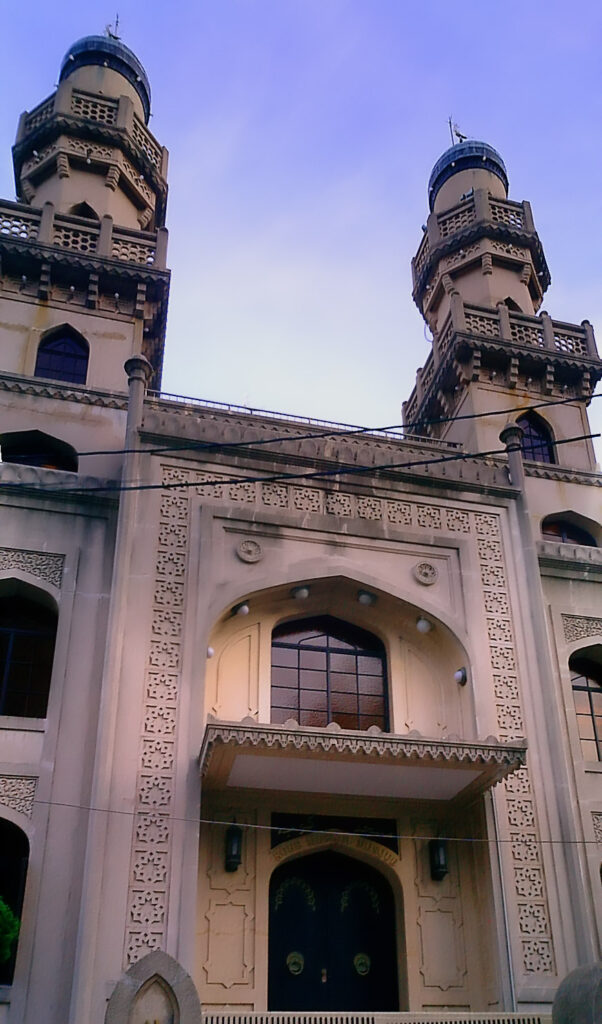
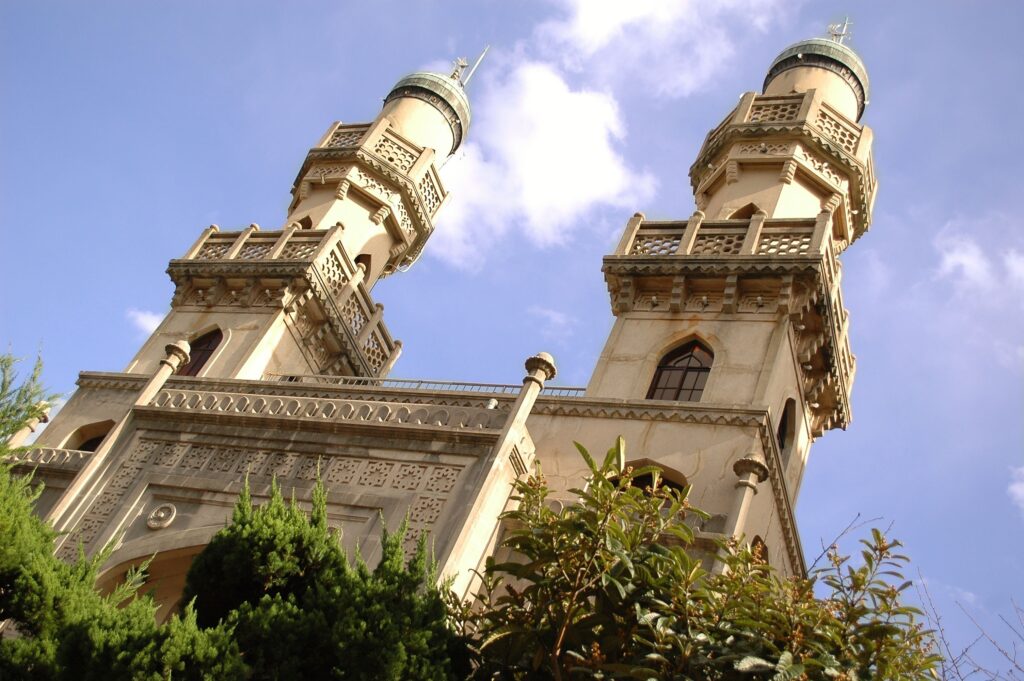
Honestly, the moment you step over the threshold of the Kobe Mosque, it just hits you – that authentic Ottoman style. Your eyes naturally get pulled straight up to this grand dome, just soaring overhead, surrounded by these unbelievably delicate, intricate ornaments. And then, right there, you see the elegant minaret, gracefully reaching for the sky. When you stand back and take in those white stone exterior walls and the sheer balance of the design, it’s like this calm, serene feeling just washes right over you. It’s pretty special, really.
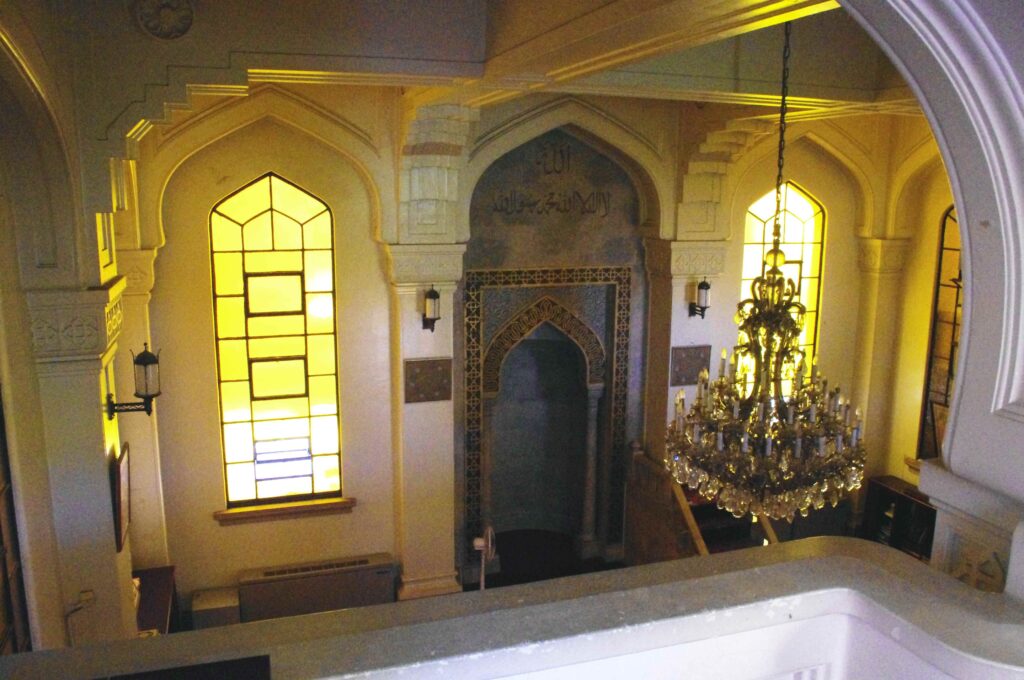
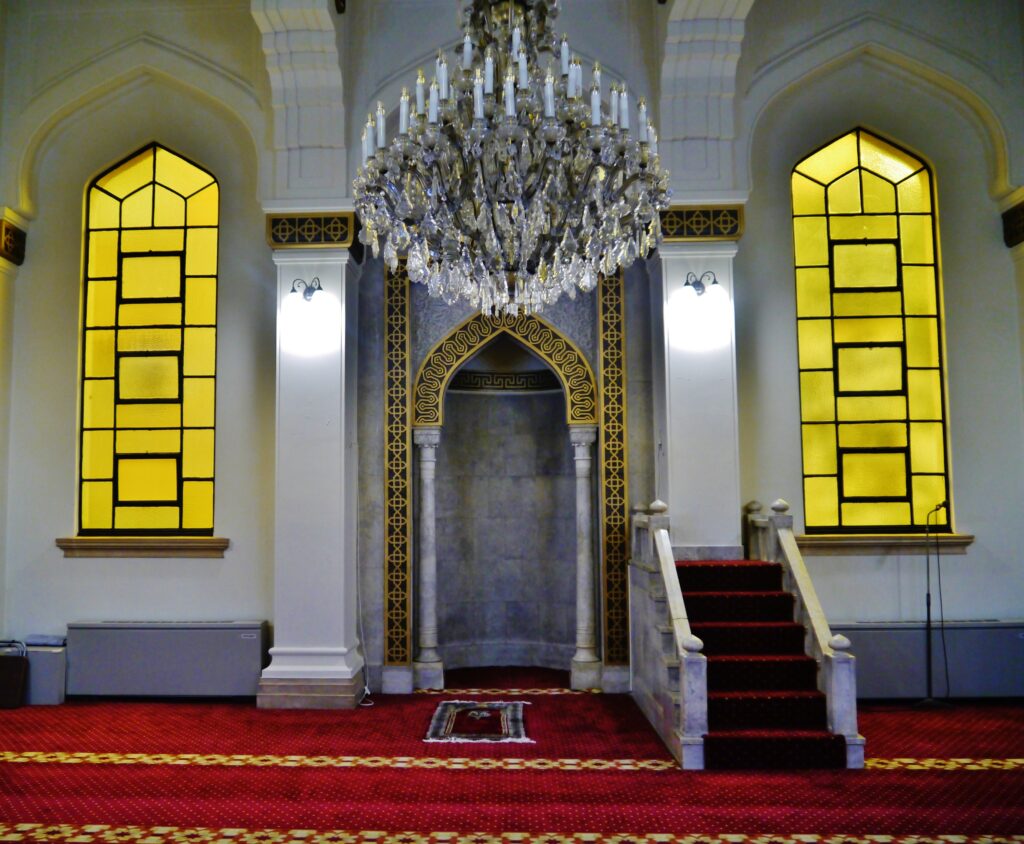
Then, you walk inside, and suddenly, you’re in this amazingly quiet, peaceful space. The whole hall is just packed with Islamic decorations, each one telling a story if you look closely. And the light? It comes pouring in through these vibrant stained-glass windows, scattering gentle, colorful glows all across the room. Your feet sink into the luxurious carpets that seem to stretch forever, guiding your eyes straight to the mihrab at the front, which points so unwaveringly towards Mecca. And everywhere on the walls, there’s this Arabic calligraphy – it’s more than just writing, it’s like art that breathes, silent but absolutely overflowing with faith and pure beauty.
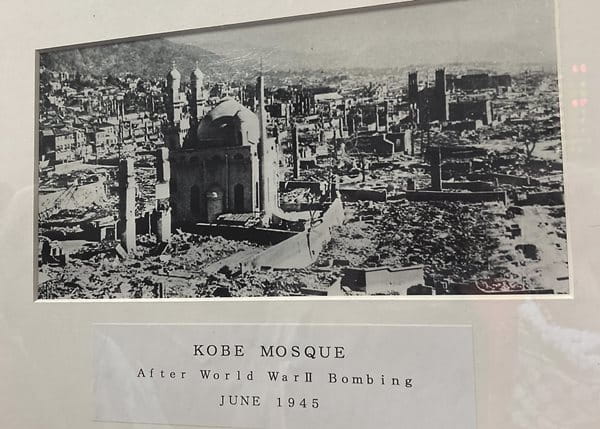
But here’s what really gets you: this mosque has seen some serious history. Can you believe it survived World War II? I mean, buildings all around it were absolutely flattened by bombings, just gone. Yet, the Kobe Mosque? It somehow stood. It’s almost as if destiny picked it out, decided it needed to be this lasting, stubborn symbol of resilience and genuine hope. It gives you goosebumps, frankly.
Today, this place is so much more than just an old building. It’s a living, breathing hub for the local Muslim community, and honestly, for anyone curious enough to walk through its doors. You’ll find daily and Friday prayers happening, plus all the special events during Ramadan. And get this, they even offer introductory lessons about Islam in all sorts of languages. They genuinely welcome non-Muslims, too, creating this respectful, incredibly open atmosphere for anyone wanting to learn about Islamic culture. It’s a truly welcoming spot, where you can just feel that sense of community and shared understanding.
The Origins of Kobe Mosque
In the early 20th century, a small Muslim community began to form in the city of Kobe in Japan. It was made up of immigrants and traders from India, Russia, Turkey, and the Middle East. As their numbers grew, so did the need for a proper mosque where they could perform prayers and religious rituals—especially since there were no official Islamic facilities in Japan at the time.
The History of Kobe Mosque
Year Established: 1935
Location: Chuo-ku district, Kobe City, Hyogo Prefecture, Japan
Foundation Laid: Early 1930s; construction was completed the same year
Who Built Kobe Mosque and Funded the Project?
The mosque was built through the efforts and donations of the local Muslim community in Kobe—particularly Muslims who had migrated from Russia following the Bolshevik Revolution, along with Indian and Turkish merchants.
The founding campaign was led by Muslim businessmen who worked closely with the Japanese government to obtain permissions and logistical support.
Design and Architecture of Kobe Mosque
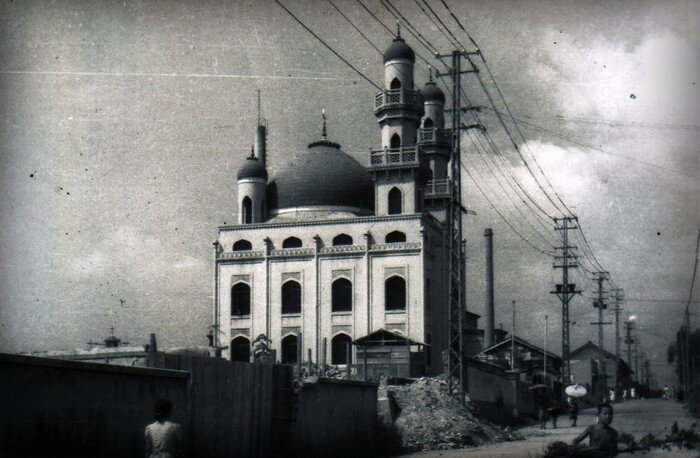
Kobe Mosque was designed by the renowned Czech architect Jan Josef Švagr who known in Japan for his work on churches and religious buildings.
He adopted traditional Ottoman Islamic architecture for the mosque, making it stand out from typical Japanese structures. The design features a central dome and a single minaret.
Construction Timeline
The mosque took about one year to complete.
It was officially opened in 1935, becoming the first permanent mosque in Japan.
Kobe Mosque During World War II
During World War II, Kobe was heavily bombed by American forces.
Remarkably, Kobe Mosque survived the air raids, although many surrounding buildings were completely destroyed at this time
This event is still seen by many as a small miracle, adding deep symbolic value to the mosque for both Muslims and non-Muslims alike.
Has Kobe Mosque Been Renovated?
Yes, the kobe mosque has undergone several renovations over the years, mainly due to earthquakes and the humid climate that affected its structure so it underwent several renovations
Major restorations include:
After the Great Hanshin Earthquake in 1995, the mosque underwent full interior and exterior restoration. Fortunately, it did not suffer major structural damage.
Modern updates were made to electrical, air conditioning, and plumbing systems to meet current standards.
The original Islamic architectural style has been carefully preserved, and the building’s appearance remains true to the original design.
Historical Importance of Kobe Mosque
The first official mosque in Japan.
Served as a religious, cultural, and educational center for Muslims living in Japan since the 1930s.
It established the tradition of mosque-building in Japan, paving the way for other mosques such as Tokyo Camii, and others in Kyoto and Osaka.
How do I go to Kobe Mosque?
Kobe Muslim Mosque
2-25-14 Nakayamate-dori, Chuo-ku, Kobe, Hyogo 650-0004, Japan
(神戸モスク – 神戸市中央区中山手通2丁目25-14)
How to Reach Kobe Mosque:
By Train (Most Common):
From Sannomiya Station (三宮駅) in central Kobe:
Walk about 10 to 15 minutes.
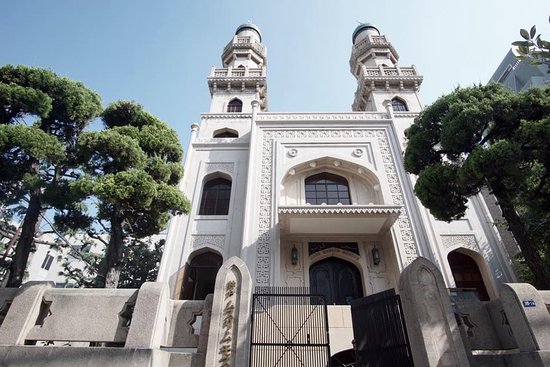
Head north along Ikuta Road. The mosque is located in a quiet residential area.
From Osaka to Kobe:
Take the JR Kobe Line from Osaka Station to Sannomiya Station.
The trip takes around 25 to 30 minutes.
By Bus:
Local buses pass through Chuo-ku, but the train is faster and more reliable.
Official Website
Languages available: English, Japanese
The website includes:
Updated prayer times
Information on Islamic events
Visitor guidelines for non-Muslims
Contact and donation details
Kobe Mosque Opening Hours
Open daily for the five daily prayers
Welcomes non-Muslim visitors during the day, especially between 10:00 AM and 5:00 PM
It’s recommended to book in advance via the website or email if
visiting for a guided tour or educational purpose
Email: info@kobe-muslim-mosque.com
Phone: +81 78-231-6060
Important Notes for Visitors
Please dress modestly (shoulders and knees covered; women are encouraged to wear a headscarf)
Photography inside the mosque is allowed only with permission
Entry is free, but donations are welcome to support the mosque’s upkeep
Who Visits Kobe Mosque?
Yes, Kobe Mosque is one of the most visited mosques in Japan, by both Muslims and non-Muslims:
Regular Visitors Include:
Local Muslims from diverse backgrounds: Tatars, Pakistanis, Indians, Arabs, Malaysians, Turks, and more
Muslim students from nearby universities such as Kobe University and Hyogo University
Muslim tourists from Osaka, Kyoto, and beyond
Japanese visitors curious to learn about Islam — guided tours are regularly organized
Visitor Numbers:
On Fridays and during Eid, attendance can reach 200 to 300 people
During Ramadan, numbers increase significantly with daily iftar gatherings
Is There a Full-Time Imam?
Yes, the mosque has a resident imam who speaks both English and Japanese. He is responsible for:
Delivering Friday sermons
Answering visitors’ questions
Leading religious events and community activities
Occasionally, guest scholars and speakers are invited from outside Kobe, especially during Ramadan or special events, but the main imam is always present.
Are Islamic Classes Offered in Kobe Mosque?
Absolutely. The mosque is an important educational hub, offering:
Types of Classes:
Qur’an and Hadith studies (in English and Japanese)
Basic Islamic teachings and fiqh, especially for new Muslims
Children’s classes (Arabic, Qur’an, Islamic ethics)
Introductory lectures on Islam for non-Muslims
Languages Available:
English, Japanese, Arabic (for certain events), and occasionally Urdu or Turkish depending on guest speakers
Class Times:
Vary depending on the day and event
Weekly sessions are held regularly, along with special programs during Ramadan, Eid, and Muharram
Does the Mosque Support New Muslims?
Yes. Kobe Mosque offers:
Introductory courses for new Muslims
Social and educational support
Books and pamphlets about Islam in Japanese
What is written on the mosque’s walls?
so when you’re actually inside the Kobe Mosque, you’ll quickly notice the Quranic inscriptions. They’re in beautiful Arabic calligraphy, and they really stand out, especially around the dome and along that pathway leading to the mihrab. It’s just stunning, how they’ve integrated the words into the very fabric of the building.
One particular verse, though, really grabs your attention. It’s the one that says,
﴿ إِنَّمَا يَعْمُرُ مَسَاجِدَ ٱللَّهِ مَنْ آمَنَ بِٱللَّهِ وَٱلْيَوْمِ ٱلْآخِرِ وَأَقَامَ ٱلصَّلَوٰةَ وَآتَى ٱلزَّكَوٰةَ وَلَمْ يَخْشَ إِلَّا ٱللَّهَ فَعَسَىٰٓ أُو۟لَـٰٓئِكَ أَن يَكُونُوا۟ مِنَ ٱلْمُهْتَدِينَ ﴾
سورة التوبة – الآية 18
“Only those shall maintain the mosques of Allah who believe in Allah and the Last Day…”
(Surah At-Tawbah – Verse 18)
And honestly, when you read it there, in that space, it just hits different. Think about it: this verse was specifically chosen, right? It perfectly reflects the whole spirit of how this mosque came to be. It was built by this tiny immigrant community, people who truly believed in the message of Islam, even though they were living so far from their homes. It’s incredibly powerful.
Beyond that, you’ll also see other inscriptions. They’re all decorated with these intricate geometric and floral motifs, totally in that classic Ottoman style. And, as you’d expect, there are no human or animal images anywhere. It’s all about that pure, spiritual beauty.
Is There anything Special About the Interior Design?
Yes. The inner dome is decorated with fine patterns inspired by Ottoman art, similar to what you might see in Istanbul mosques—though on a smaller scale.
One of the most striking features is the stained-glass windows, which allow sunlight to filter in and create soft colors across the prayer hall—a gentle blend of Ottoman influence and Japanese minimalism.
Have Japanese women embraced Islam here?
Yes. so when you look up, the inner dome itself is just incredible. It’s decorated with these really fine patterns, totally inspired by Ottoman art. Seriously, it’s like something you’d absolutely expect to see in a grand mosque in Istanbul—just, you know, on a more intimate scale here in Kobe.
But honestly, one of the most striking things inside has got to be the stained-glass windows. When the sunlight hits them just right, it filters in and throws these soft, gentle colors all across the prayer hall. It’s not just pretty; it creates this beautiful, almost ethereal atmosphere. You can really feel that blend of Ottoman grandeur with a touch of Japanese minimalism there. It’s truly a sight to behold.
What is the direction of the qibla, and how was it determined in the 1930s?
The qibla in Kobe Mosque is precisely aligned to the southwest, as Mecca lies to the southwest of Japan.
In 1935, without GPS technology, the direction was determined using:
A traditional compass
Detailed geographic maps provided by the Japanese Navy
Consultation with Tatar scholars residing in Kobe, who had both religious and scientific knowledge
The founding imam and his team made sure the direction was carefully calculated.
Does the mosque have a library?
Yes. The mosque contains a small but diverse library, including:
Copies of the Qur’an in Arabic, English, Japanese, Turkish, and Urdu
Books on the Prophet’s biography (seerah), Islamic jurisprudence (fiqh), and theology (aqeedah)
Introductory booklets about Islam for new Muslims in Japanese
Rare translations such as “Tafsir al-Jalalayn” in Japanese
The books are neatly arranged on shelves near the entrance and are available for on-site reading.
Have any notable events occurred at the mosque?
In Ramadan 1990, the mosque hosted its first communal iftar bringing together Muslims and local Japanese residents—a milestone for interfaith dialogue.
After the Great Kobe Earthquake in 1995, the mosque opened its doors as a relief center for those affected, regardless of religion. This gesture elevated its standing in the community.
The mosque has hosted delegations from global Islamic organizations such as the Muslim World League and the Turkish Red Crescent.
Does the mosque have ties with international institutions?
Yes. Notable partnerships include:
Cultural collaboration with the Blue Mosque in Istanbul
Support and funding relations with the Islamic Association of Japan
Academic links with Malaysian and Indonesian universities, which send students for Islamic outreach training
A partnership with Tokyo Camii in Tokyo for joint educational and religious programs
How do Japanese people view the mosque?
The mosque is highly respected in the local community:
Residents of the Chuo-ku district see it as a symbol of peace and coexistence
No known incidents of discrimination or harassment have been recorded
After the earthquake, local residents even participated in its restoration
Many Japanese schools arrange student visits to the mosque to introduce children to Islam and cultural diversity
What is the mosque’s daily schedule?
The mosque is open from Fajr (dawn) until Isha (night)
All five daily prayers are held with adhan
Friday Schedule:
Bilingual sermon in English and Japanese
Q&A session afterward
Educational programs typically include:
Friday evenings: Qur’anic interpretation
Saturdays: Fiqh or Seerah classes
Ramadan: Daily iftar and a short lecture before Maghrib
A full-time staff member is present, along with a team of volunteers.
Are unexpected languages used at the mosque?
Yes. Since the mosque was originally founded by Tatar Muslims, Tatar and Russian were used historically in some conversations.
Even today, some elders in the community still speak those languages. Turkish, Malay, and Urdu are also commonly heard, depending on who’s present.
As we’ve seen, the Kobe Mosque is Japan’s first mosque and a strong, living sign of faith and community that has faced many challenges and won. Its beautiful design, like old Ottoman buildings, and how it amazingly survived wars and earthquakes, show a deep story of never giving up and finding peace.
Here at Halal Wins, this reminds us how special places of different cultures and religions make our world richer. They foster deeper understanding and human connection. We hope you’ll look for amazing places like this on your own trips and feel the important stories they tell.